

September 17, 2026
How Does Light Pollution Affect Birds?
As fall approaches, you may suddenly notice different sounds. You may hear more of the robotic song of the red-winged blackbird, the whistle of the varied thrush, and less of the “cheery-cheery-bee” of the white-crowned sparrow. Birds are migrating to their preferred winter climes, some leaving Squamish for warmer regions, some passing through on their way south, and others arriving in Squamish where they will overwinter. If it seems like birds have arrived or moved away overnight, this, in a way, is exactly what they did!
Migration at night?
Most birds tend to migrate at night, but why? Experts believe that several factors play a part including cooler temperatures, more stable atmospheric conditions, and less predation risk.
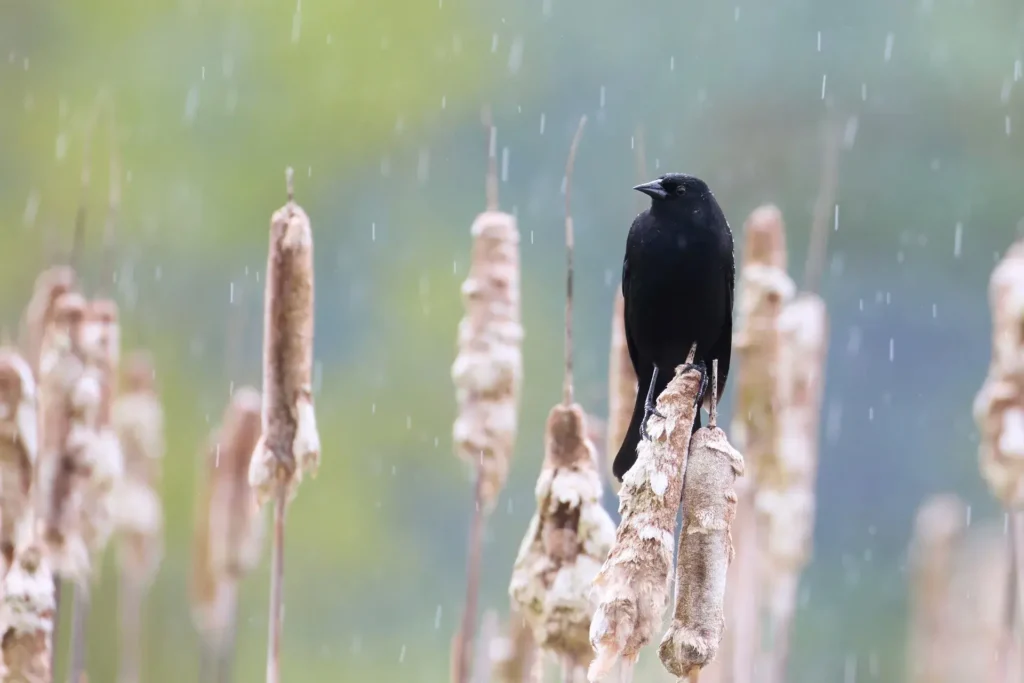
Birds that migrate at night navigate, in part, by taking note of the rotation of the stars and use that to orient themselves – clever!
So, what’s the link between night-migration and artificial lighting?
Birds are attracted to light sources of towns and cities, but it is not a case of them setting off again once they realize where they are. The birds will become disorientated by the artificial lighting (man-made light sources) of towns and cities, and can drop from exhaustion while trying to orient themselves.
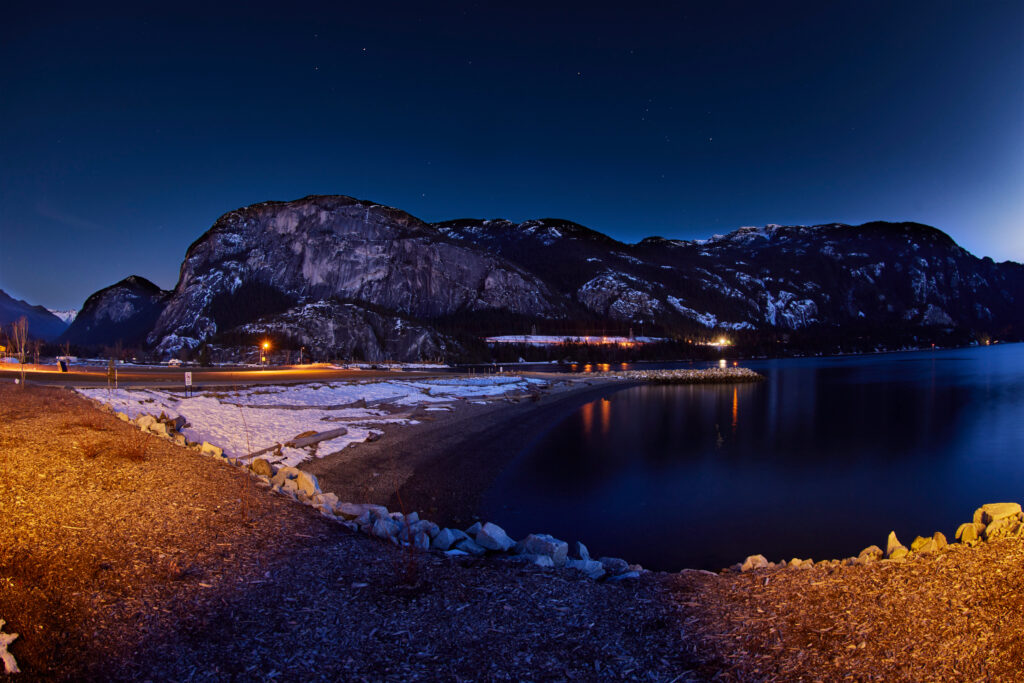
Additionally, migrating birds land each morning to feed and rest. Birds that have been attracted to urban areas by artificial lighting during the night are more at risk of daytime collisions with glass windows and railings, due to their reflective or transparent properties.
Therefore, it’s very important to keep artificial lighting to a minimum. Squamish has policies, regulations, and infrastructure standards to reduce light pollution and minimize impacts on wildlife, ecological values, and the nighttime environment. These include guidance for new development areas, criteria for municipal infrastructure, and measures to protect sensitive areas from light spill. This is a great first step!
What can I do to help?
Here are some simple tips to reduce light pollution at home:
- Avoid unnecessary outdoor lighting and close curtains to prevent indoor light spilling into outdoor environments.
- Direct outdoor lighting towards the ground by using lighting shields.
- For essential outdoor lights, use motion detectors to minimize the amount of time they are on. And always use the minimum wattage necessary for the task at hand.
- Change the color of your lights from cool to warm. Studies show that green and blue light attract more nocturnally migrating birds than red, orange, or yellow light. Use light bulbs that emit warm lighting to minimize disturbance to birds.
What about apartment buildings and managed properties?
We understand that it is more difficult for those living in apartment blocks or other managed buildings to make individual decisions about the building in which they live.
If you plan to reach out to property managers, you could share the below resource from BirdSafe (FLAP Canada) with them. BirdSafe have developed an alert system for property owners and managers to help them to take targeted actions towards creating a safe space for birds as they are passing through.
Spread the word!
Share this blog post or the following resources to your friends and family to spread the word and reduce the risk of light pollution in urban areas.
- FLAP Canada: Why Do Birds Hit Buildings and Windows. Includes information about predicting a high-risk migration night.
- Nature Canada: Pollution… From Lights? Explains the background to light pollution and a deep dive into initiatives to reduce the risk of light pollution for birds.