

October 25, 2026
Where Pollinators Spend the Winter and How to Help
As days shorten and temperatures cool, many of our native pollinators enter a period of dormancy called diapause. Similar to hibernation, diapause is a period of arrested development to allow insects to survive limited food sources and unfavourable weather conditions.
Pollinators
Native Solitary Bees
Most native bees are solitary, meaning they do not live in colonies. The female bee prepares a nest in the ground, wood, or hollow stems. She lays eggs in the nest and provides food for the larvae. The larvae consume the nutrients to develop to the prepupal stage.
Many solitary bees spend the winter in diapause as prepupae, however a few species overwinter as developed but unemerged adults. The bees emerge the following year dependent on favourable weather and flowering conditions.
Bumblebees
Bumblebees are social bees that live together in a colony. The colony does not survive the winter. The workers, males and developing brood bees die as the fall season ends. Only a newly emerged queen survives. After mating the queen finds a sheltered place, such as an old rodent nest, leaf litter, or loose soil, to begin diapause. In the spring she emerges as the sole egg layer and begins a new colony.
Solitary Wasps
Solitary female wasps prepare nests using mud, or utilizing spaces like plant stems, bark, crevices, or under soil. The offspring diapause overwinter in the nests as full grown larvae or pupae and emerge from late spring to early summer.
Beetles
Beetles survive winter in different life cycle stages depending on the species. They may shelter underground, in tree trunks or beneath rocks and enter of diapause until conditions become more favourable.
Butterflies and Moths
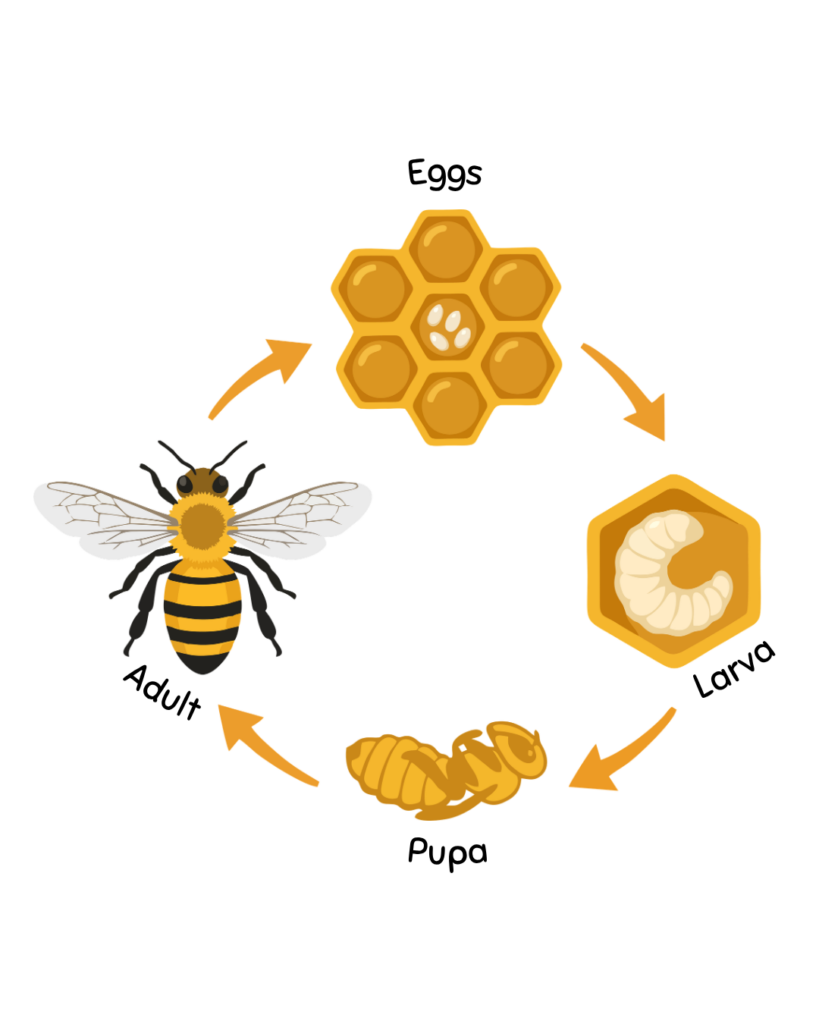
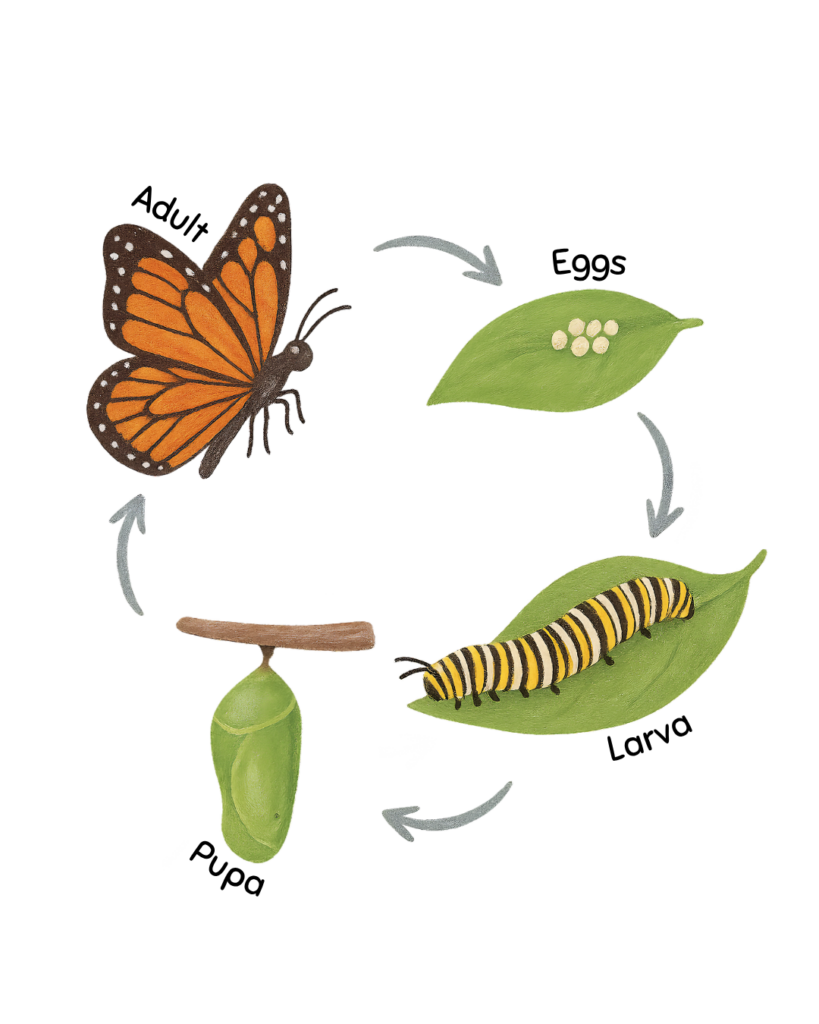
Butterflies and moths overwinter at different stages of their life cycle, depending on the species. Many overwinter in the larval (caterpillar) stage sheltering in leaf litter, grass clumps or soil.
The pupae stage is also common. Moth pupae are protected by a cocoon and butterfly pupae by a chrysalis. They may be found on or near host plants, in bark crevices, or within leaf litter.
Overwintering adults shelter beneath fallen leaves, in tree bark or in woodpiles. Others overwinter as eggs, deposited on plants, at the base of conifer needles or trees.
Help Pollinators Survive Winter
Your garden can provide shelter and safe places for pollinators if you:
- Leave the leaves
- Save the stems
- Build a woodpile
- Avoid disturbing soil
A natural looking garden can provide essential habitat as pollinators wait for spring!
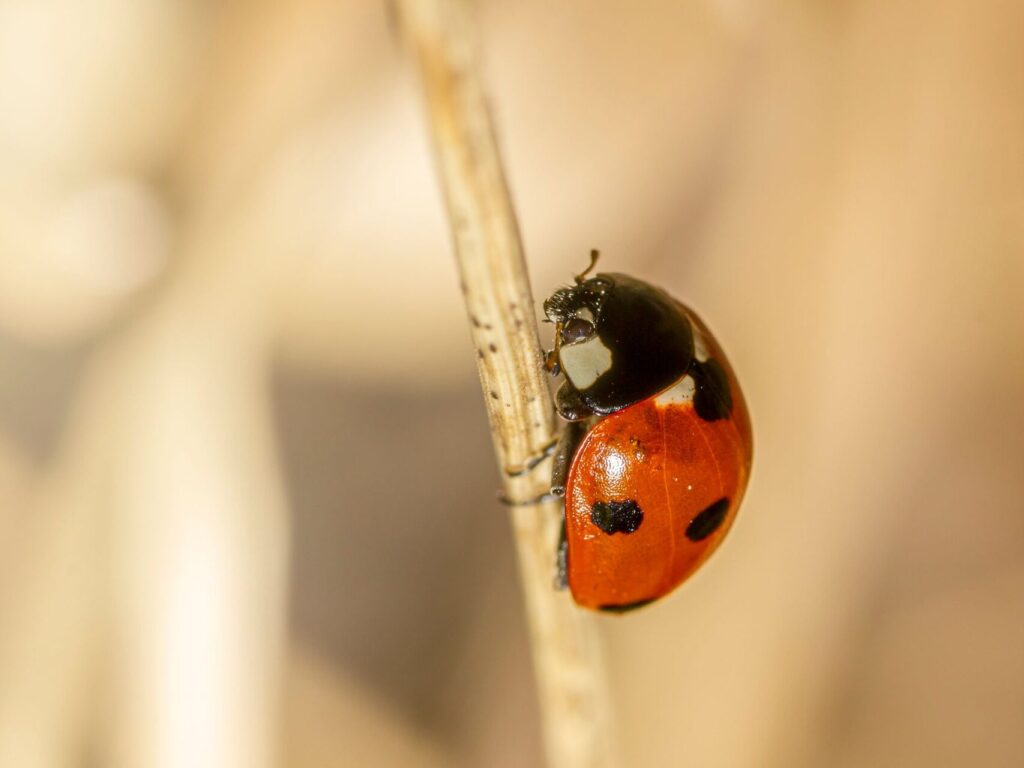
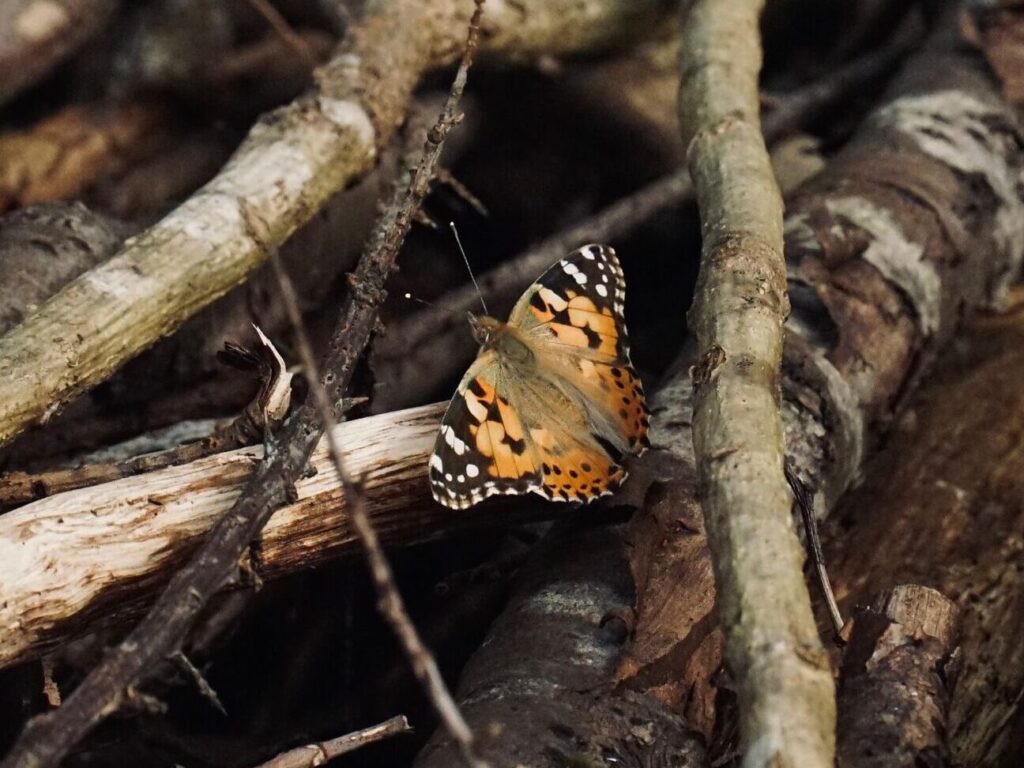
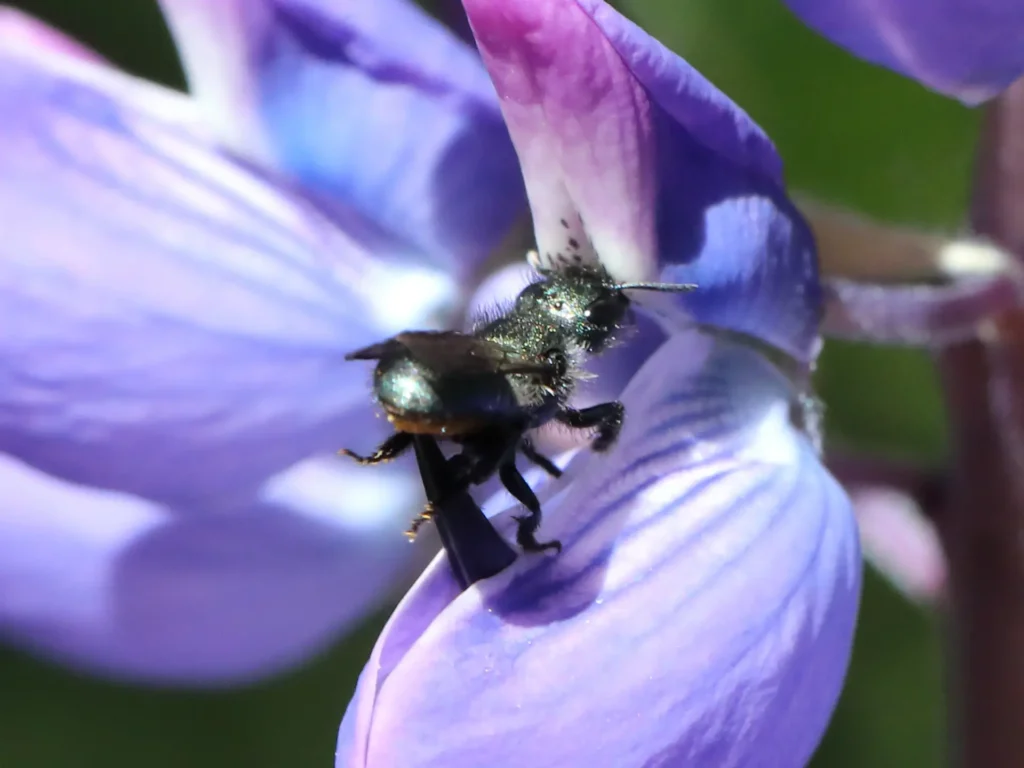
Photo credits:
Header image: MayaVB, Pexels