
September 3, 2026
Why Do We Need Bats?
Bats are remarkable animals that play a vital role in environments worldwide, including here in North America. From providing billions of dollars’ worth of natural pest control to contributing to life-saving medical research, our ecosystems, economies and even aspects of human health benefit from healthy bat populations.
Bats are vastly misunderstood and subject to disproportionate fear surrounding the risk of rabies, which has unfortunately contributed to their negative reputation. Many people are fearful of bats, and with news articles recently circulating about rabid bat attacks and rabies exposure, it is not surprising why.
Bats have been on Earth for more than 50 million years, and there are now more than 1,400 species of bat worldwide, with new species still being discovered and described. This means that one in five mammal species is a bat. They have been successful in almost every global habitat and are found on every continent apart from Antarctica.
Bats in British Columbia
Here in British Columbia, we have 15 species of bats. In Squamish specifically, we don’t know much about the bats that reside in and around our town. That’s why we’ve launched the Bats of the Squamish River Estuary project to learn more about the bats in our area and how to conserve them. We’re hosting two guided bat walks this September – please join us in learning more about the bats of Squamish!
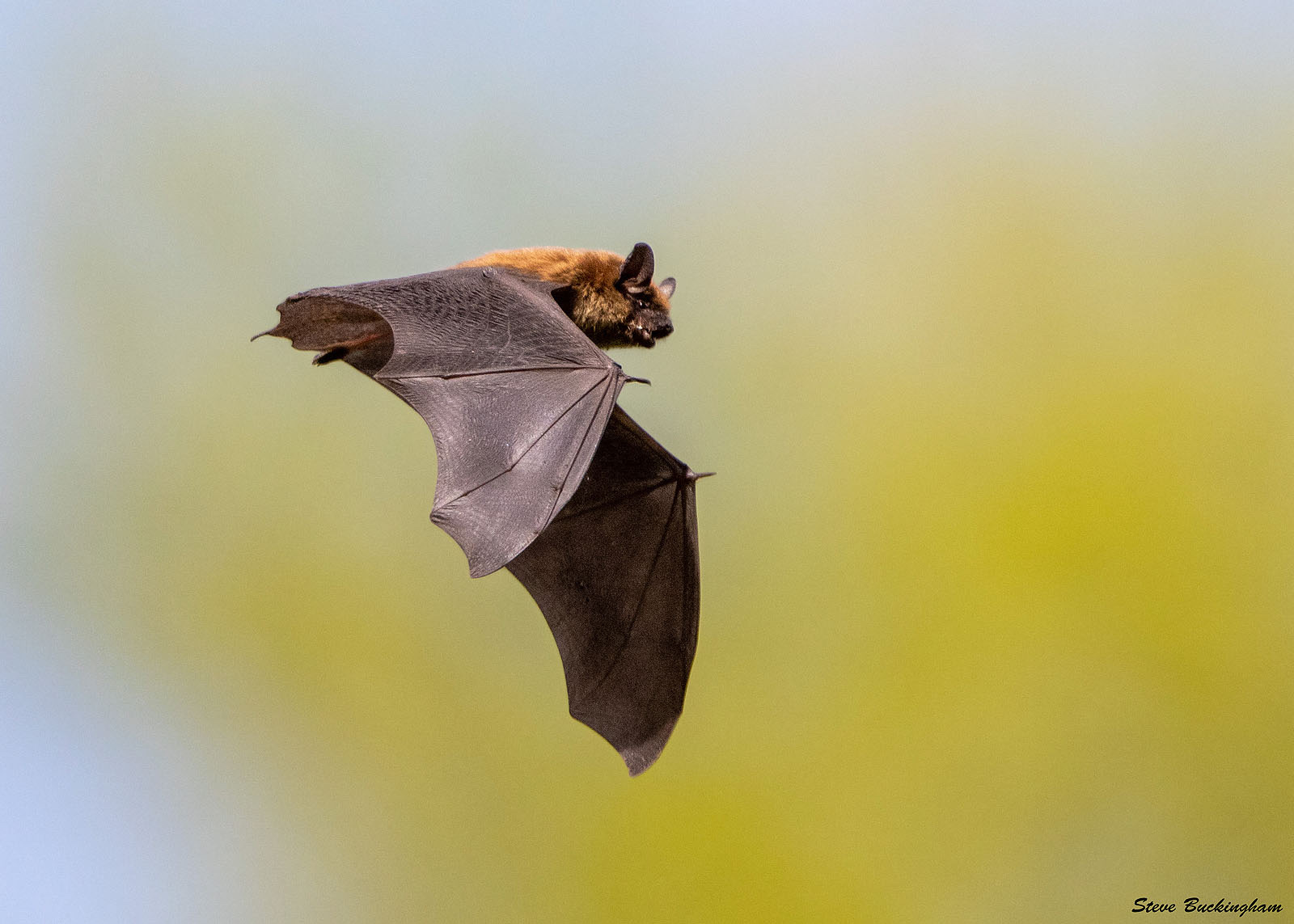
Our bats are facing their greatest challenge yet. In 2026, the Ministry of Water, Land and Resource Stewardship reported that White-nose syndrome (WNS) was detected in guano (bat droppings) in the Metro-Vancouver area, marking its second arrival in the province. WNS is caused by an invasive fungus called Pseudogymnoascus destructans (Pd). This fungus colonises on the nose and wings of bats and disrupts the bats during hibernation, which uses up their limited energy reserves. Pd only affects bats (causing no harm to people or other animals) and results in death, having detrimental effects on bat populations. Now, more than ever, bats need our protection to give them the best possible chance.
Why bats matter
Nature’s pest controllers
Bats are exceptional at controlling insect populations. Around 80% of bats globally primarily feed on insects, and here in BC, all of our bats are insectivores. Researchers have estimated that insect-eating bats provide between US$3.7 billion and US$53 billion in annual pest-control benefits to U.S. agriculture (Boyles et al., 2011).
This is because bats feed on many crop-eating insects, reducing the need for pesticides and helping to prevent crop losses. There are other economic benefits bats provide to other industries that aren’t discussed in this study, such as forestry.
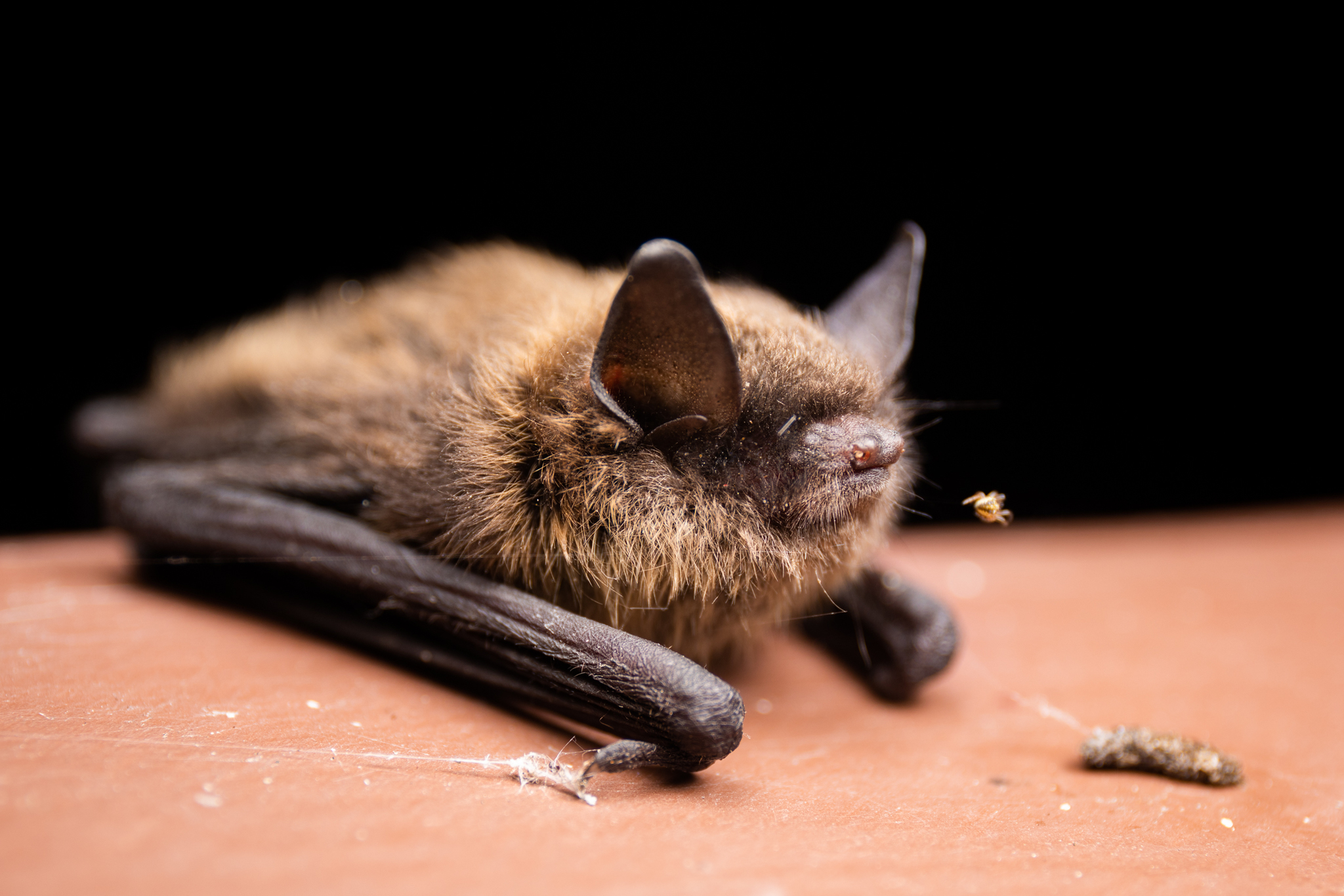
An example of just how effective bats are at insect management is the Little Brown Bat (Myotis lucifugus), which has been recorded to consume more than 1,200 insects in a single hour.
Pollinators and seed dispersers of the night
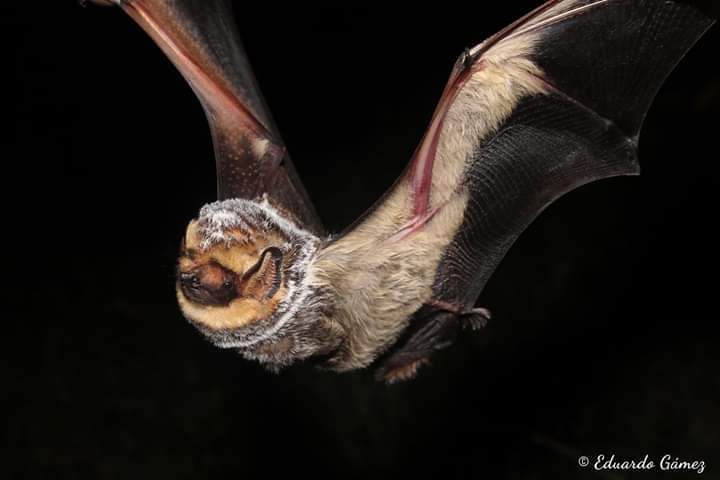
Whilst not here in British Columbia, in tropical and subtropical regions, bats play a key ecological role as seed dispersers and pollinators, just like our trusty birds and bees!
For example, if you are partial to tequila or mezcal, you have bats to thank. The lesser long-nosed bat (Leptonycteris yerbabuenae) and Mexican long-nosed bat (Leptonycteris nivalis) feed on the nectar of agave flowers and transfer pollen as they travel between plants. This relationship is particularly important for wild agave populations and helps maintain their genetic diversity.
And it is not just agave. Many of the foods we import are pollinated by bats, including bananas, mangoes, guava, coconuts and avocados.
So next time you raise a glass of tequila, a spicy margarita or enjoy avocado on toast, make sure to raise a toast to the bats!
Bat and human health
We have even been able to advance human health and medicine thanks to bats. A fascinating example comes from vampire bats, whose saliva contains compounds that prevent blood from clotting while they feed.
Scientists discovered a powerful clot-dissolving enzyme called desmoteplase, derived from the saliva of the Common Vampire Bat (Desmodus rotundus). This discovery has led to research into whether compounds derived from vampire bat saliva could be used to develop new treatments for blood clotting medical conditions such as strokes.
There are only three species of vampire bat within the 1,400 bat species worldwide. And, despite what you might think, these vampire bats are incredibly social and altruistic towards one another.
Vampire bats form strong social bonds and will share meals with colony members that have been unable to find food themselves. In other words, if one of their fellow bats goes hungry, another may quite literally share their dinner to help them survive.

The secrets to ageing?
Bats may also hold some of the secrets to reducing the impacts of the ageing process. Bats are exceptionally long-lived for their size, with some species living for multiple decades, and researchers have found that certain species show few of the typical signs of ageing.
Scientists are investigating how bats achieve this remarkable longevity. Research so far has shown that bats have exceptional DNA repair, resilient immune systems, resistance to cancer and are able to maintain cellular health. In some long-lived bat species, the telomeres (the protective ends of our chromosomes) appear to be maintained unusually well as the animals age.
Understanding how bats achieve such longevity could provide valuable insights into healthier ageing in humans.
But what about rabies?
These are just a handful of examples of why bats are important, and hopefully they highlight why the stewardship of our bat populations is so vital.
But to the point, what about rabies?
It is important to look at the facts. Bats can carry rabies along with many other animals. However, according to the BC Centre for Disease Control, approximately 0.5% of bats in the wild are estimated to carry rabies and only 8% of the bats sent in for rabies testing test positive.
It’s important to remember that the bats submitted for testing are usually bats that are injured, grounded, or otherwise behaving unusually. These bats are, in one way or another, unwell, and as a result are more likely to be found by humans. This statistic is not to say that 8% of all bats in BC carry rabies, but that 8% of bats that are already compromised carry the virus. It’s like testing patients at a medical clinic for some kind of transmissible disease, and using that to describe the overall percentage of humans with a transmissible disease.
Rabies should always be taken seriously, and appropriate precautions should be followed. Never handle a bat with bare hands. If you find a bat that appears injured, on the ground or is behaving unusually, contact a qualified wildlife rehabilitator for advice.
If you have had direct contact with a bat, seek advice from a healthcare provider or local public health authority. Bat bites can be extremely small and may not always be obvious.
But this is where education matters. Simply seeing a bat, having bats flying around you, watching bats emerge from a roost or being in the same area as a bat does not mean you have been exposed to rabies. Rabies transmission requires contact with infected saliva or nervous tissue, such as through a bite, scratch, fresh break in the skin or contact with mucous membranes.
Bats deserve our respect and a fairer representation, not fear. By understanding the facts and following sensible precautions, we can protect both ourselves and the bats that are so important to our ecosystems.
Come and see the bats!
If you’d like to learn more about these remarkable animals and get the opportunity to watch bats navigate the night sky then please come along to our free guided bat walks this September.
This is a family friendly event and we will head out with acoustic detectors to listen to the bats as they navigate the night sky and forage for insects.
Come along, learn something new and discover just how incredible our local bats really are.
CC-BY-NC some rights reserved
References
- Bats of the World, Nancy B. Simmons and Andrea L. Cirranello
- Fungus causing white-nose syndrome in bats detected again in B.C., Government of British Columbia
- Justin G. Boyles et al., Economic Importance of Bats in Agriculture. Science 332, 41-42 (2011). DOI:10.1126/science.1201366
- Mexican Long-Nosed Bat, Bat Conservation International
- Little Brown Myotis, Bat Conservation International
- Lesser Long-Nosed Bat, Bat Conservation International
- Bat Pollination, United States Department of Agriculture
- Made Possible By… Bats, National Part Service
- Grandjean C, McMullen PC, Newschwander G. Vampire bats yield potent clot buster for ischemic stroke. J Cardiovasc Nurs. 2004 Nov-Dec;19(6):417-20. doi: 10.1097/00005082-200411000-00014. PMID: 15529064.
- Wilkinson, Gerald. (1990). Food Sharing in Vampire Bats. Scientific American. 262. 76-82. 10.1038/scientificamerican0290-76.
- Long Live Bats!, Bat Conservation International
- Vazquez, J.M., Lauterbur, M.E., Mottaghinia, S. et al. Insights into longevity and virus-driven adaptation from Myotis bat genomes. Nature (2026). https://doi.org/10.1038/s41586-026-10932-7
- Foley NM, Hughes GM, Huang Z, Clarke M, Jebb D, Whelan CV, Petit EJ, Touzalin F, Farcy O, Jones G, Ransome RD, Kacprzyk J, O’Connell MJ, Kerth G, Rebelo H, Rodrigues L, Puechmaille SJ, Teeling EC. Growing old, yet staying young: The role of telomeres in bats’ exceptional longevity. Sci Adv. 2018 Feb 7;4(2):eaao0926. doi: 10.1126/sciadv.aao0926. PMID: 29441358; PMCID: PMC5810611.
- Rabies, BC Centre for Disease Control
- Rabies, World Health Organization